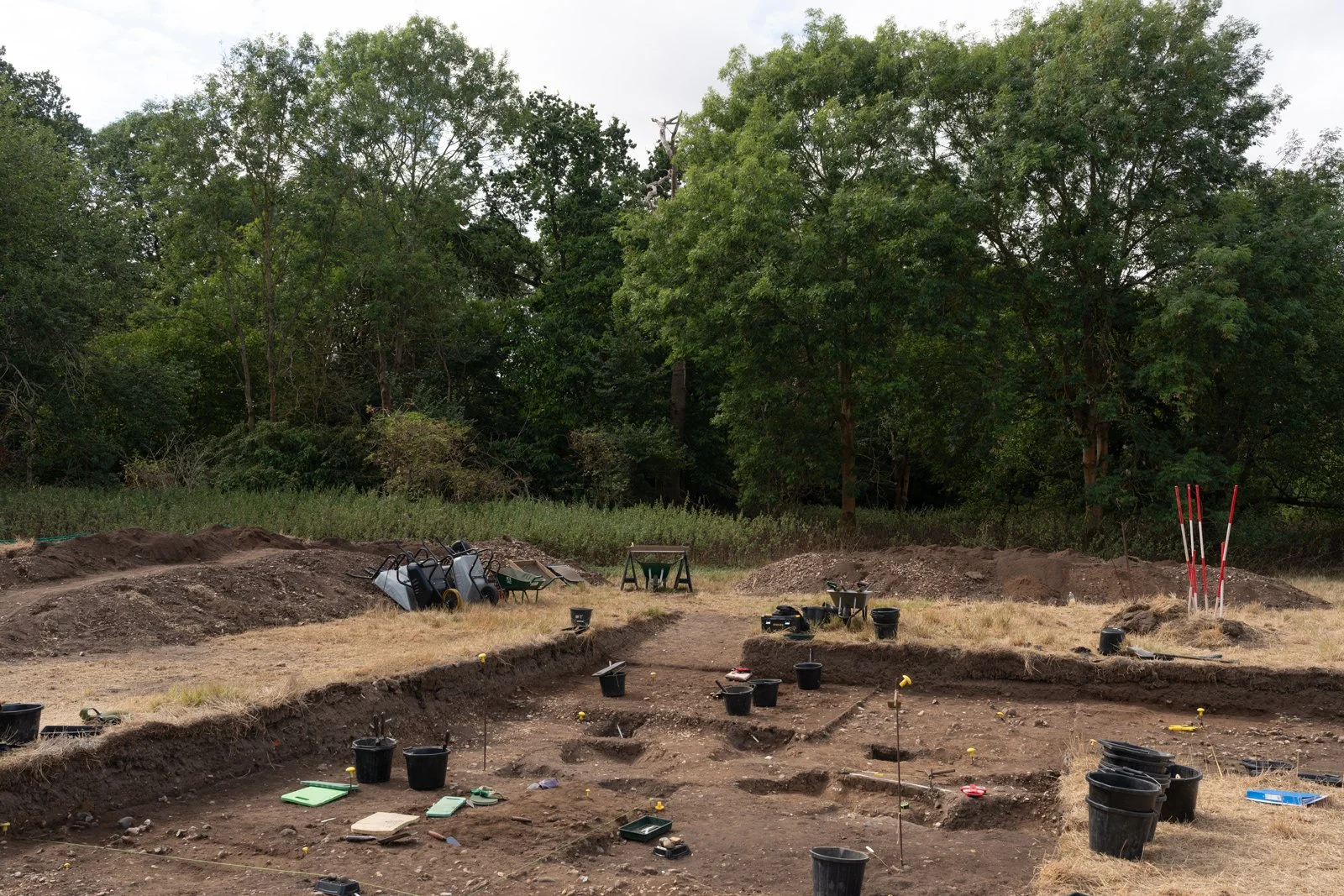
Caistor Roman Project
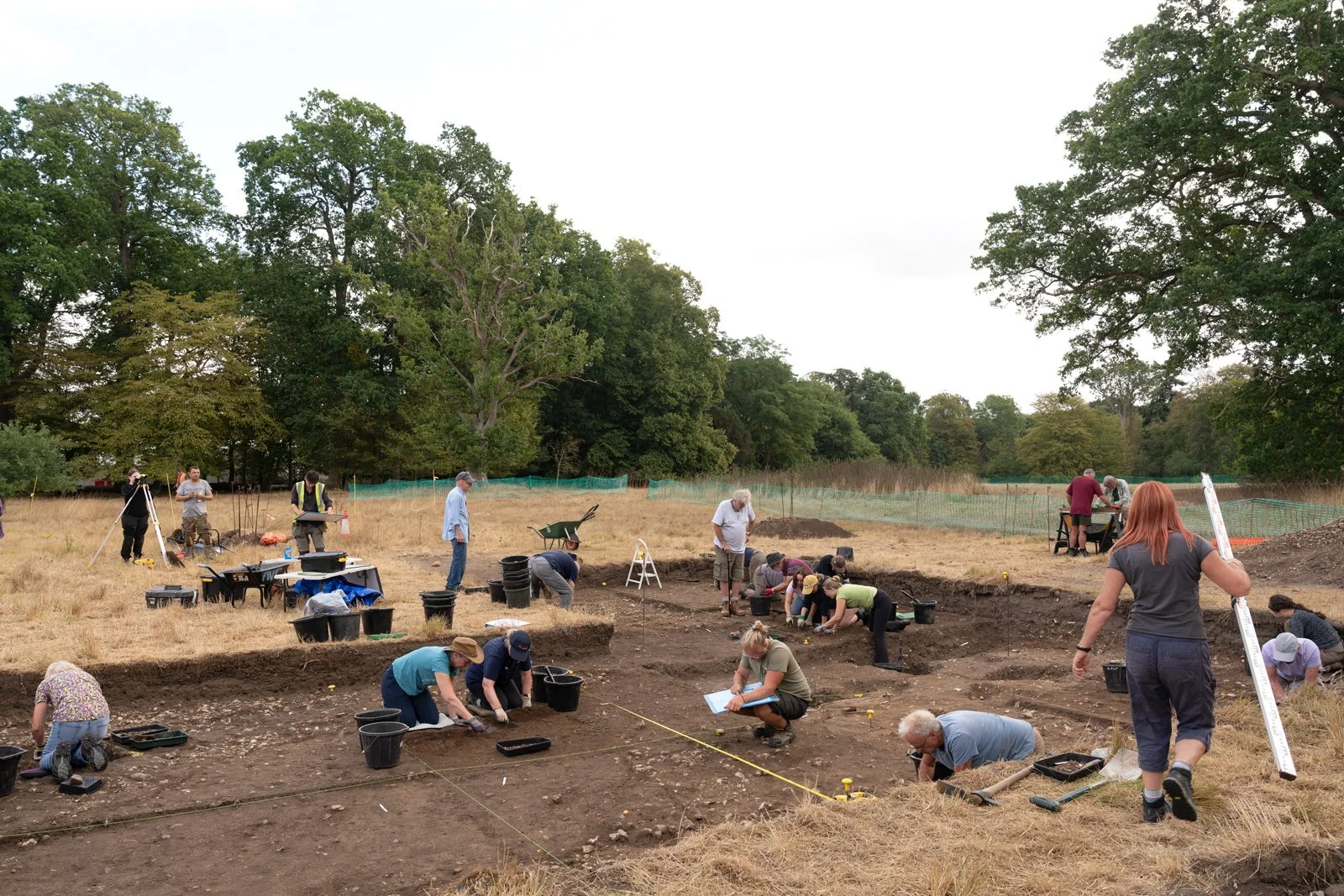
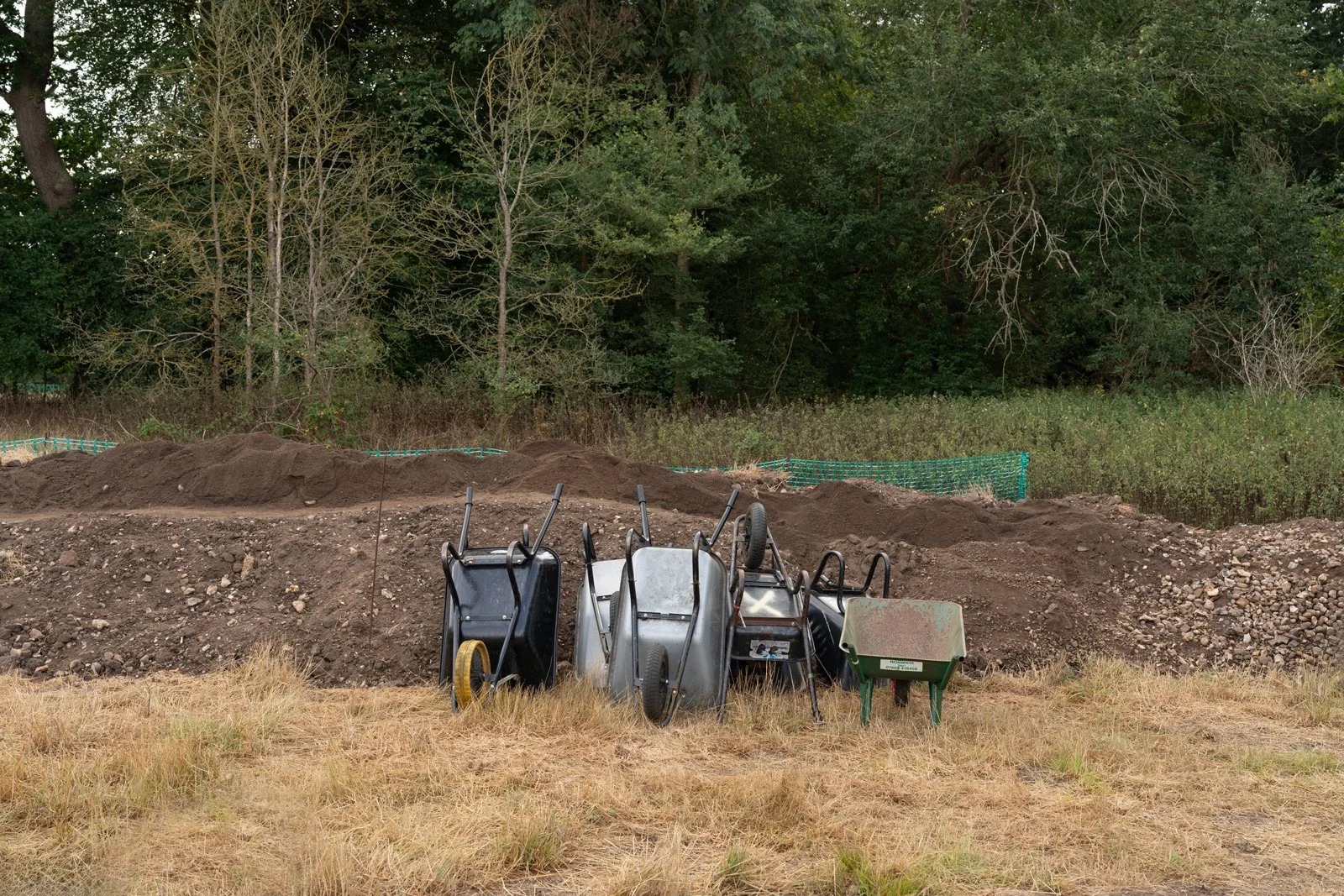
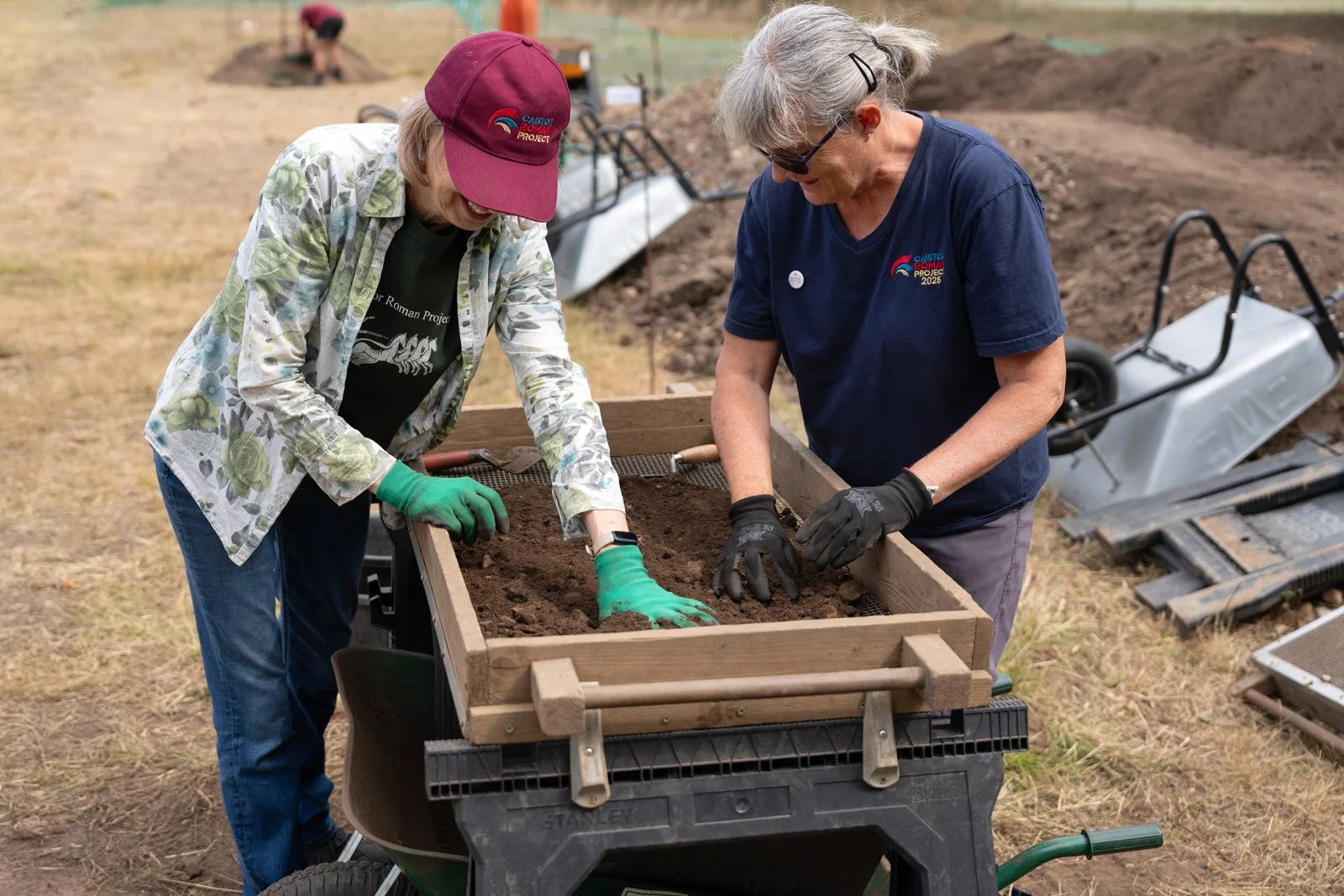
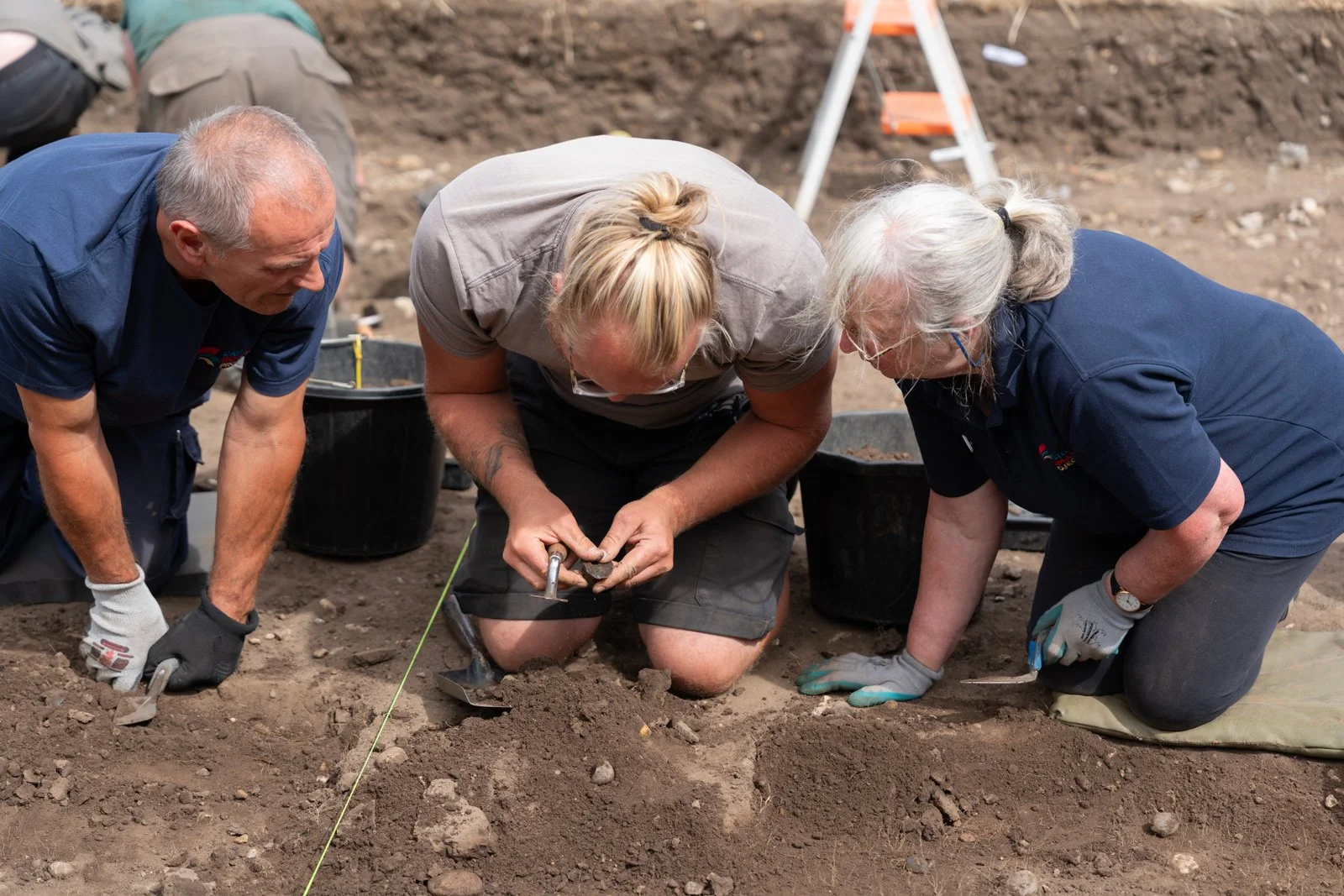
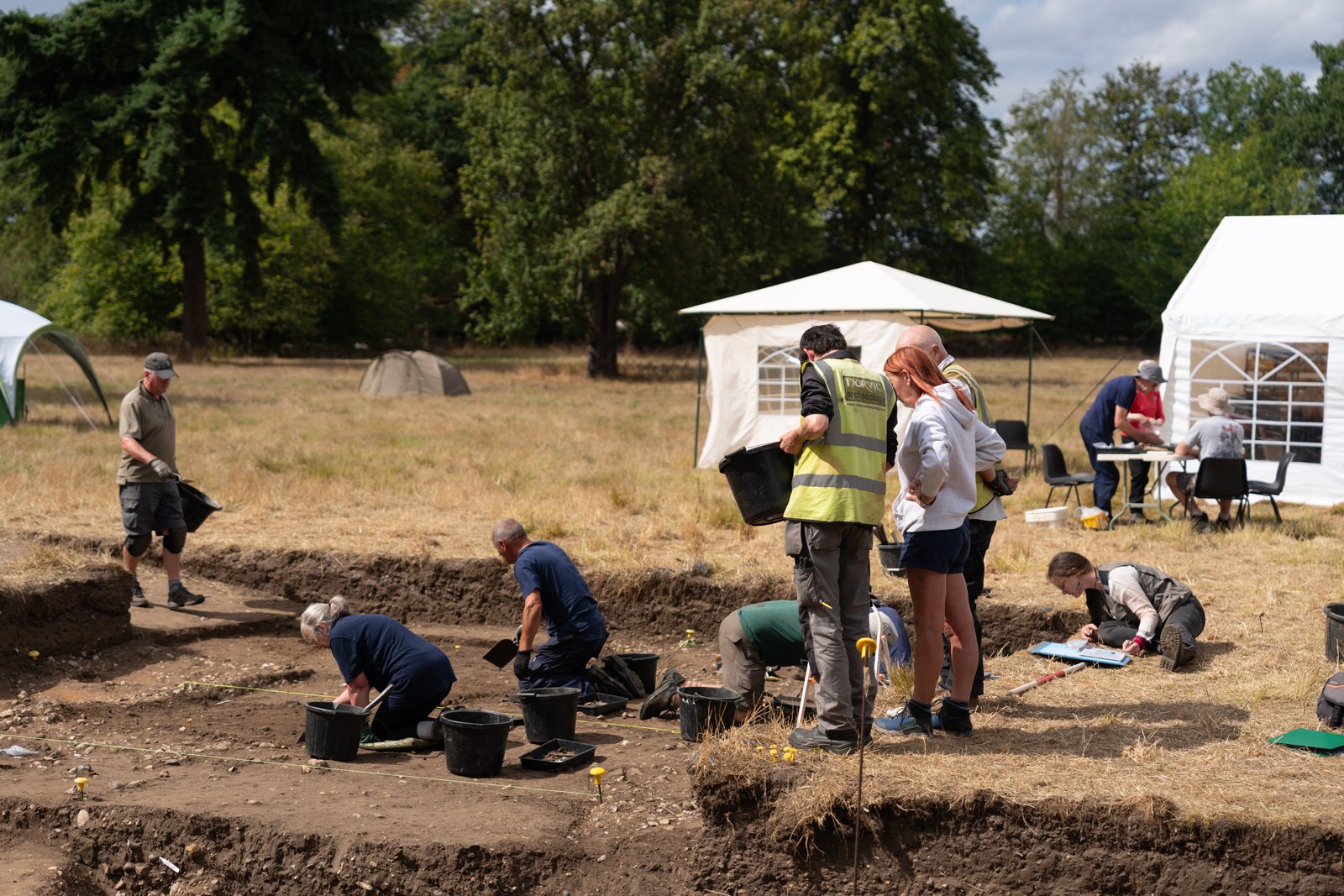
Each August for the last few years, a field just beyond the edge of the estate comes quietly to life. For three weeks, a community of over a hundred volunteers arrives to excavate at Venta Icenorum — the Roman town that sits largely intact beneath the soil here. The Caistor Roman Project has been investigating the town and its hinterland since 2009. The work they do has provided valuable research that has helped to reshape several long standing assumptions about the region’s only Roman civitas. Venta Icenorum is one of only three Roman regional capitals in Britain never built over by what came after. This is a special place, and it has been for a very long time.
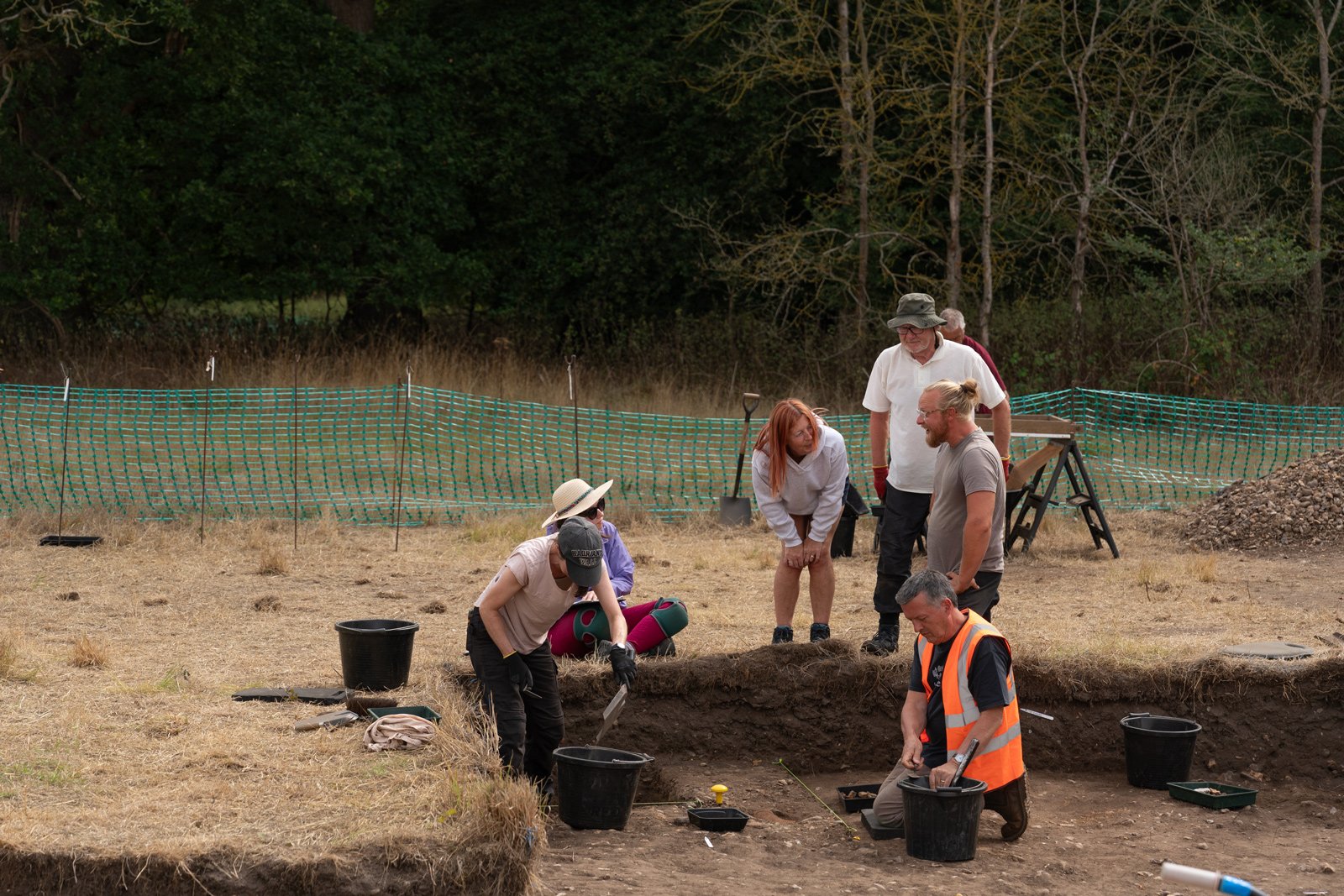
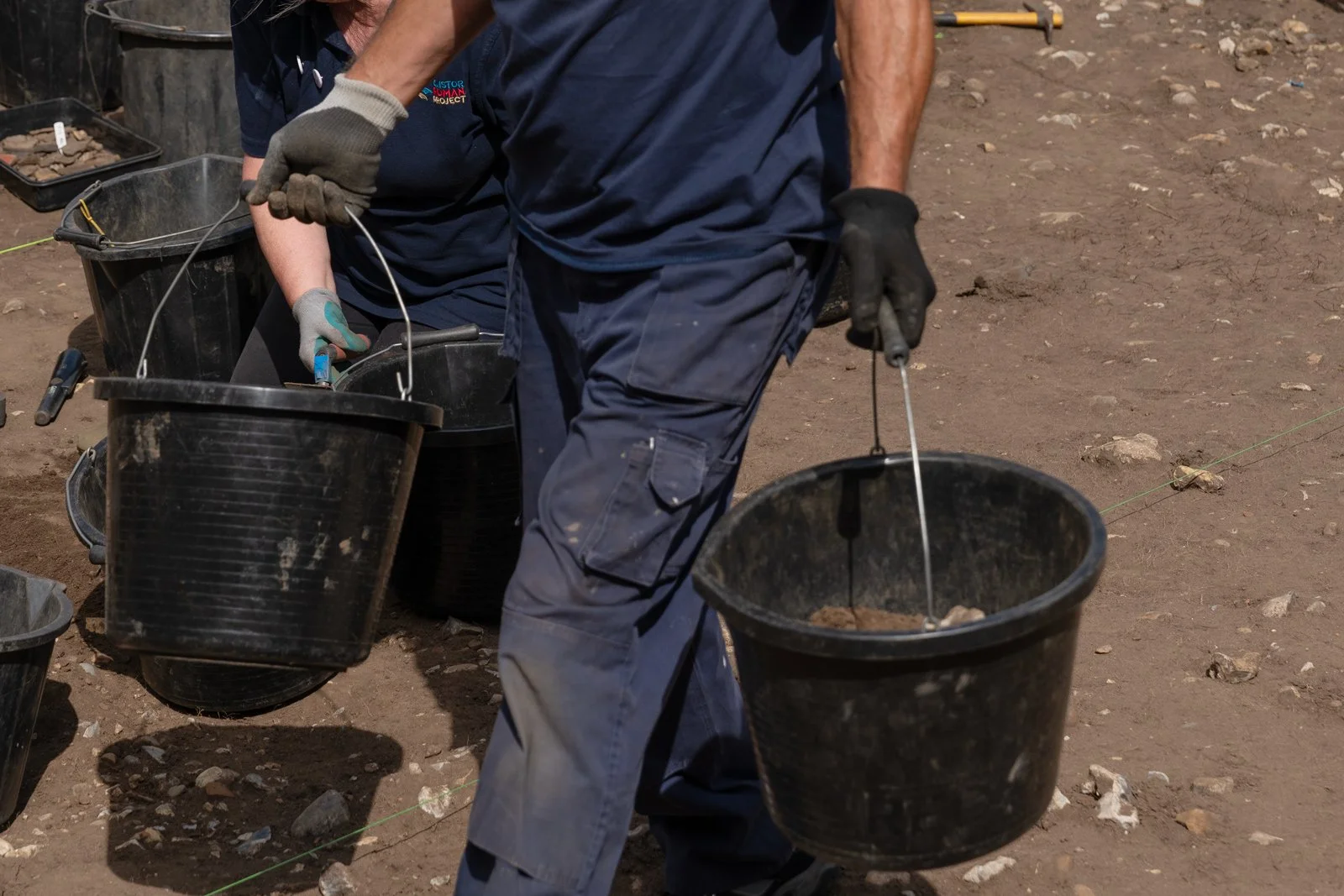
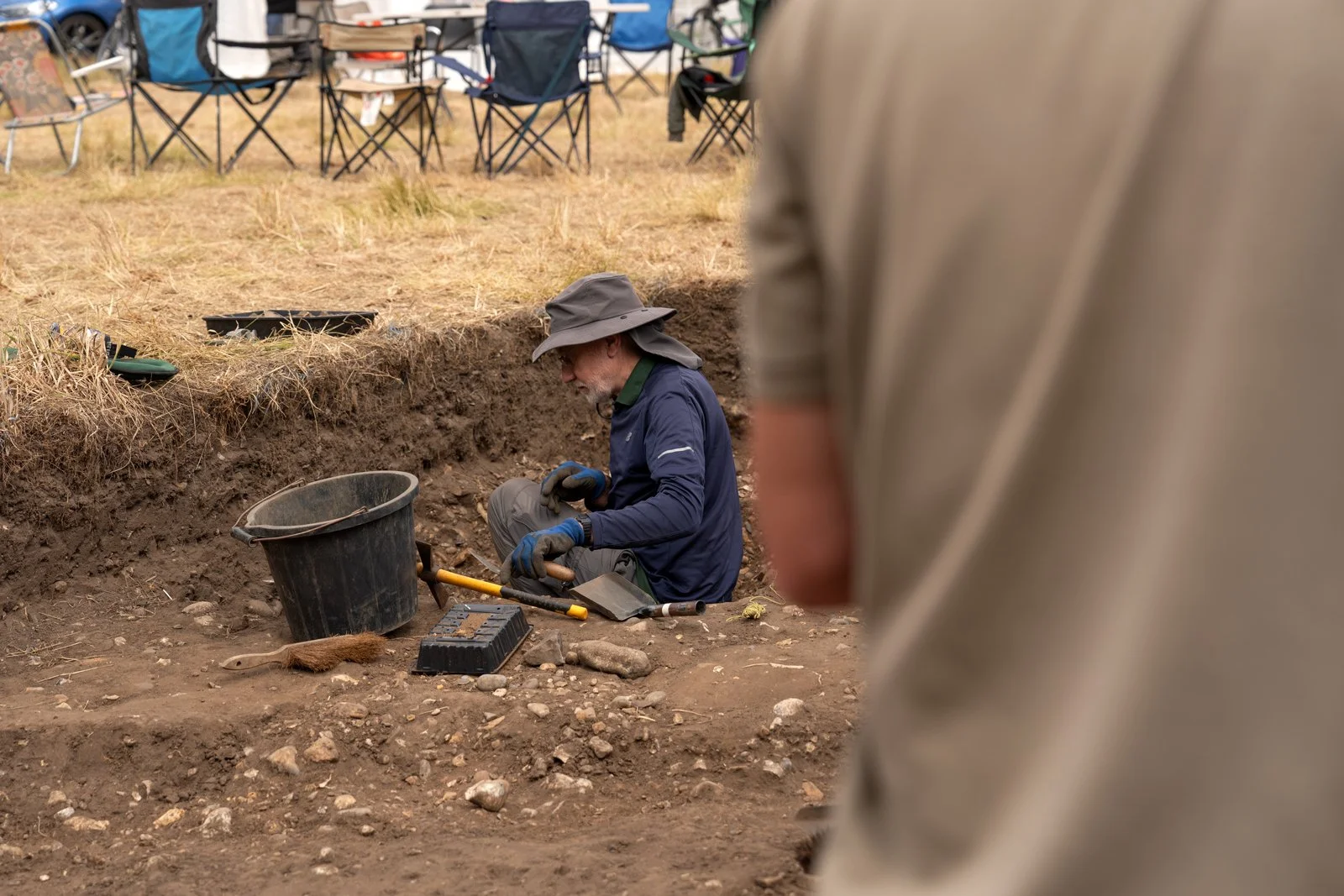
On a still morning, when everyone is working, the dig has its own particular sound. The quiet, rhythmic scrape and click of trowels on soil and stone. It is unexpectedly peaceful.
A brief history
The town was founded sometime after 70 AD, well after Boudica's rebellion had quietened and a more settled relationship between the Iceni and Roman rule had taken hold. In the early second century, it was encircled by an enormous kite-shaped circuit of monumental triple ditches — the focus of last year’s excavation. The town’s flint walls were probably not constructed until the mid to late 3rd century AD , enclosing a smaller area in response to political changes happening far beyond Norfolk.
What this season's dig has been revealing is an industrial quarter of the town — pottery kilns, metalworking, the fires, the practical stink and smoke that any self-respecting Roman settlement would have kept well downwind of its finer houses. Elsewhere on the site, high-status finds point to wealthier domestic areas. And just to the north-east of the town, a large temple complex: one that the team now believe may pre-date the Roman settlement itself, rooted on the spot of an earlier Iron Age ceremonial landscape or shrine site which it likely supplanted.
What they find
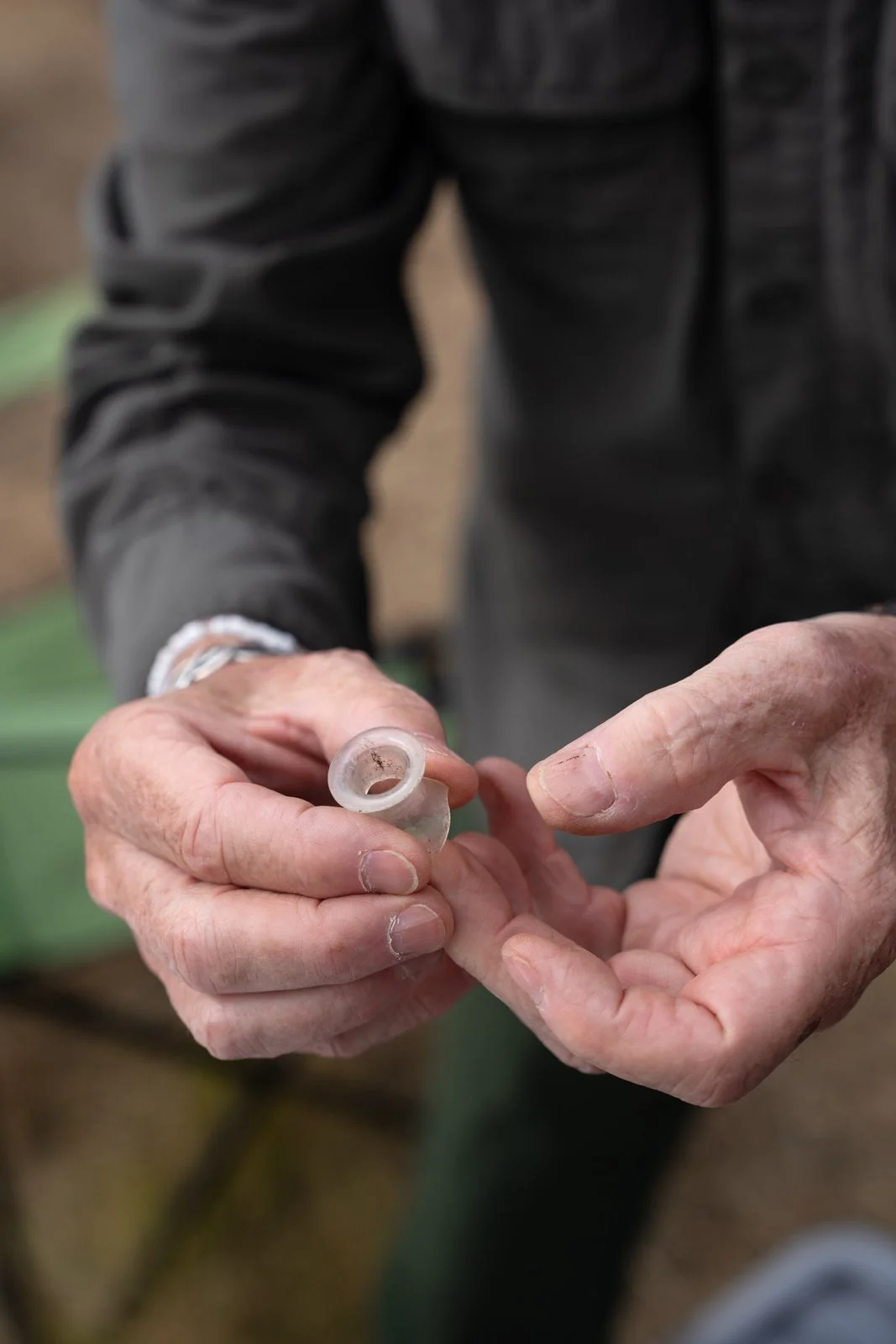
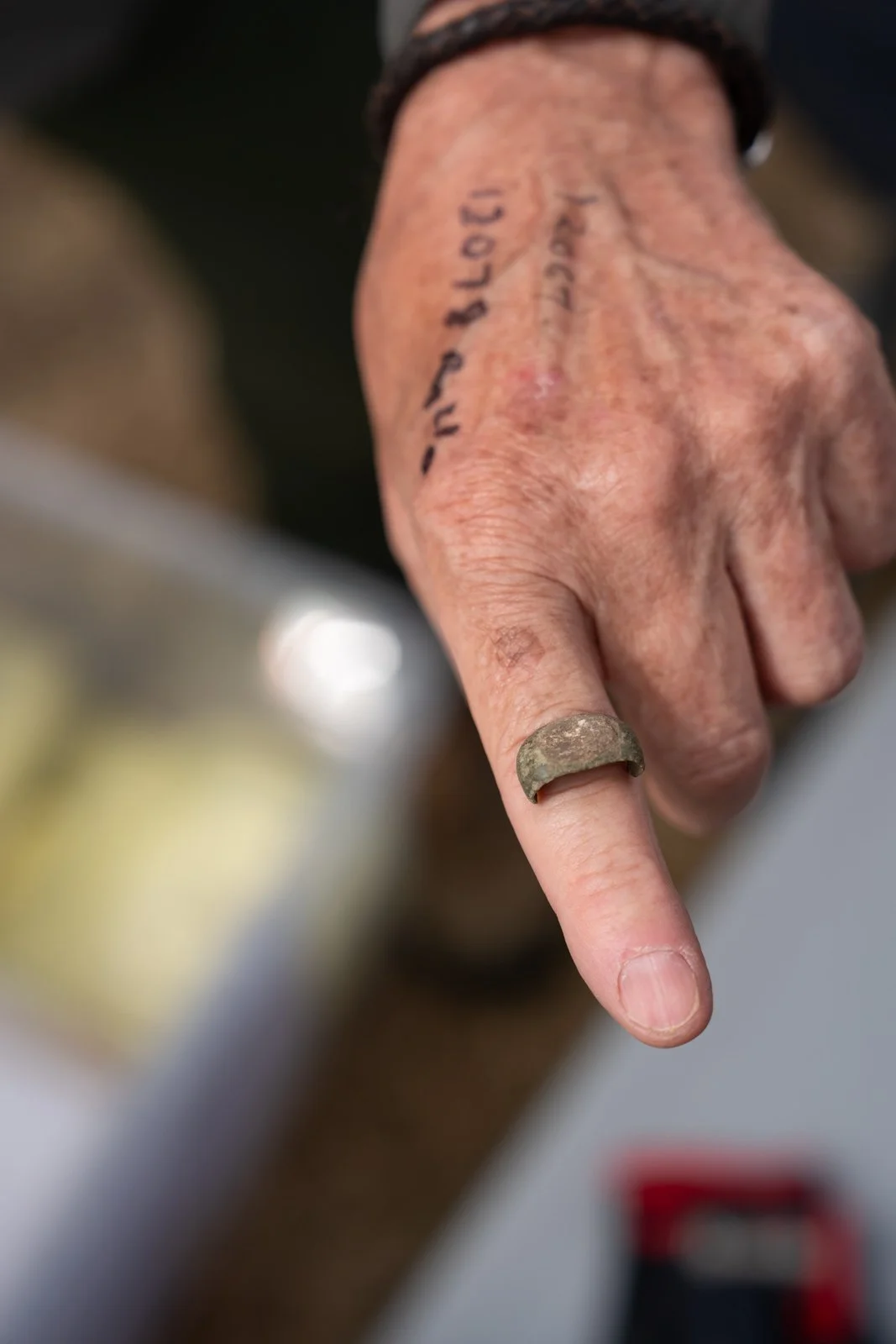
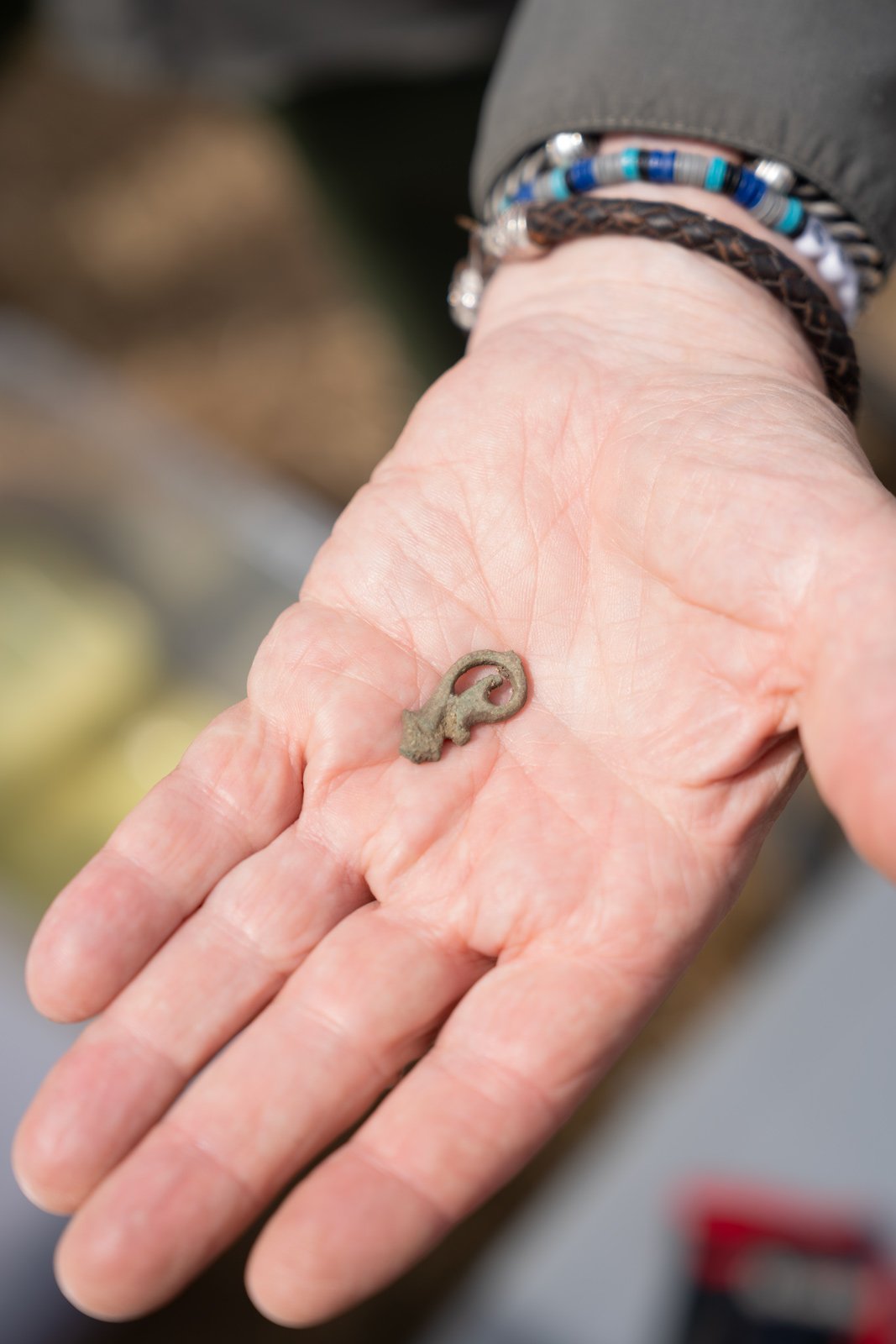
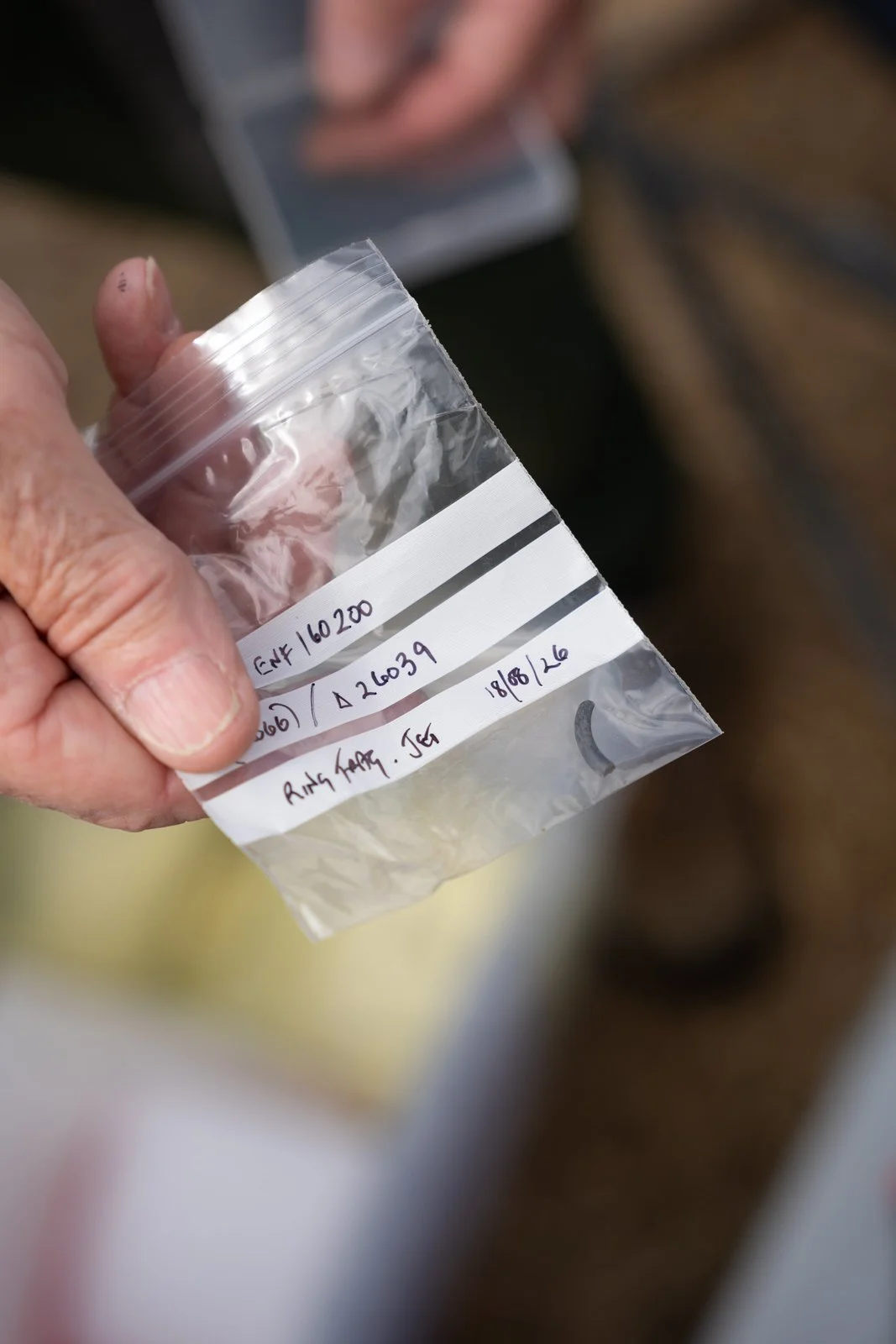
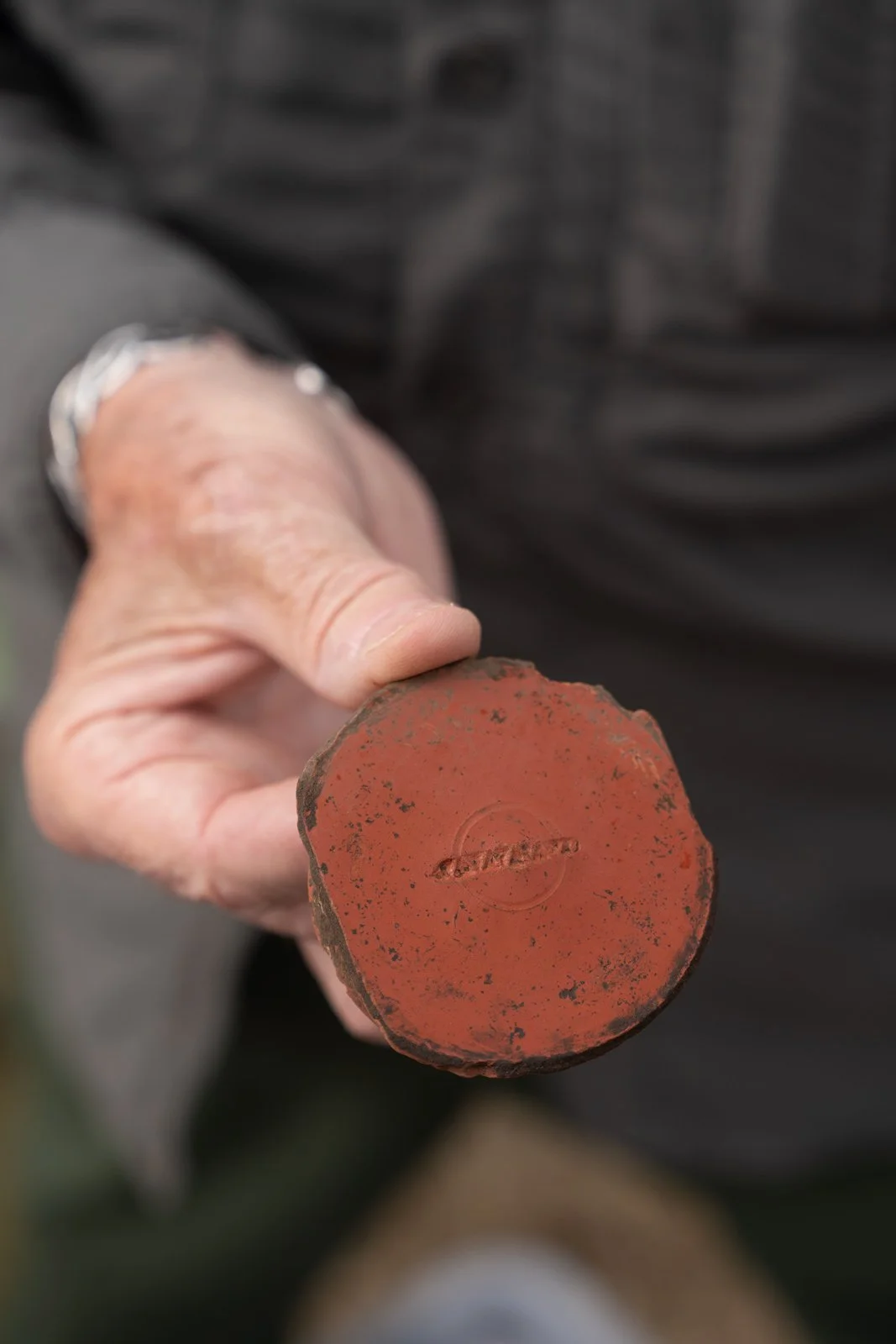
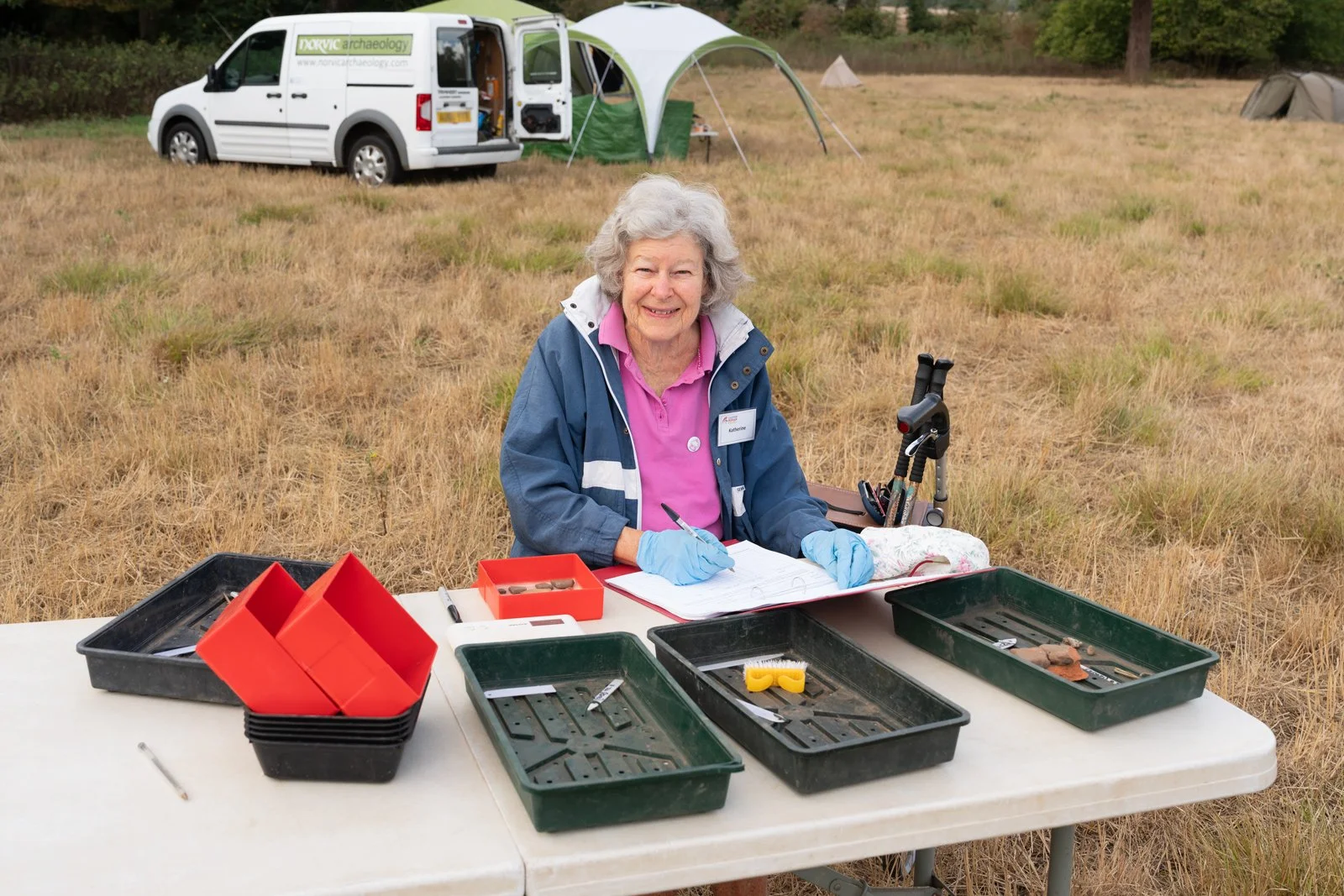
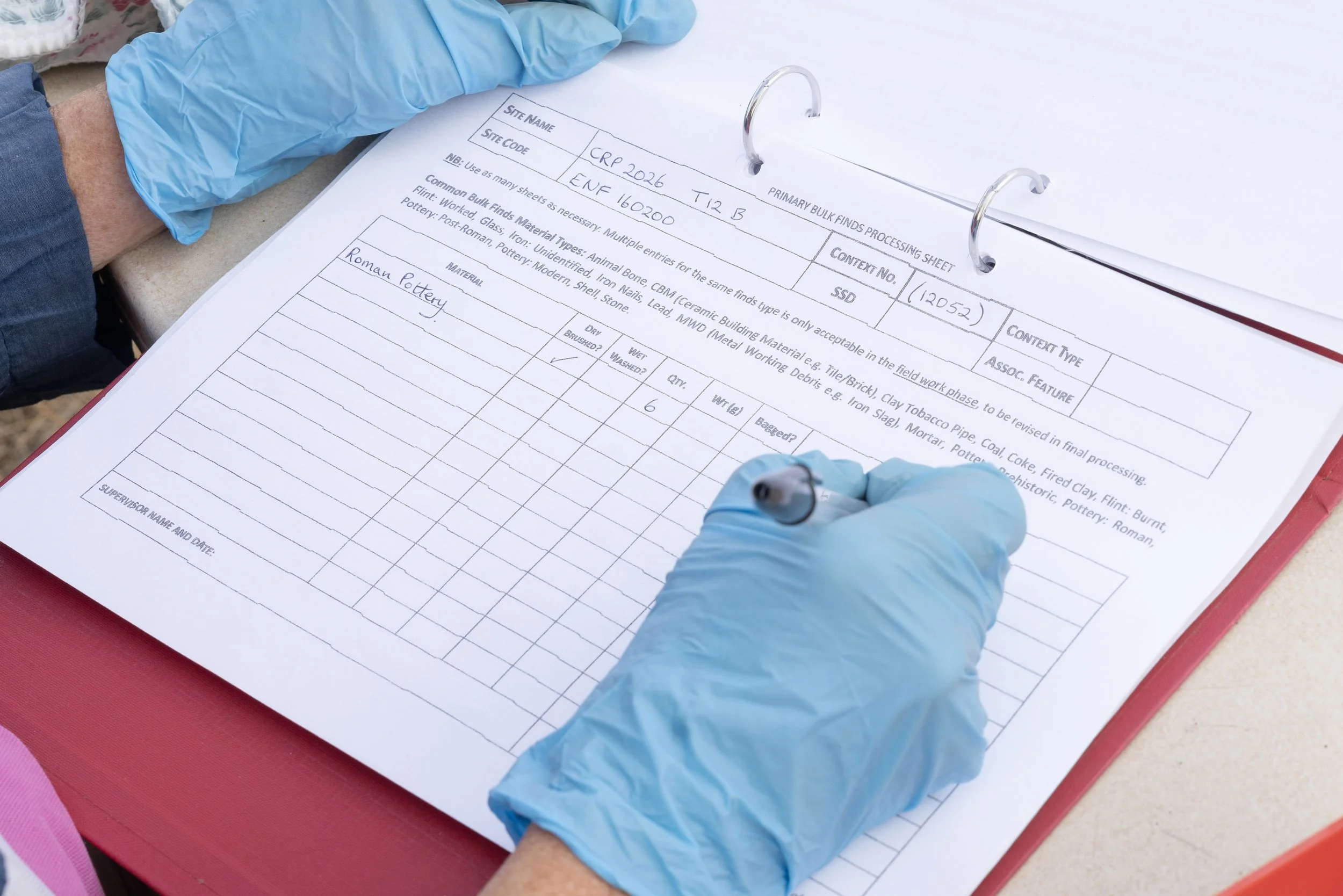
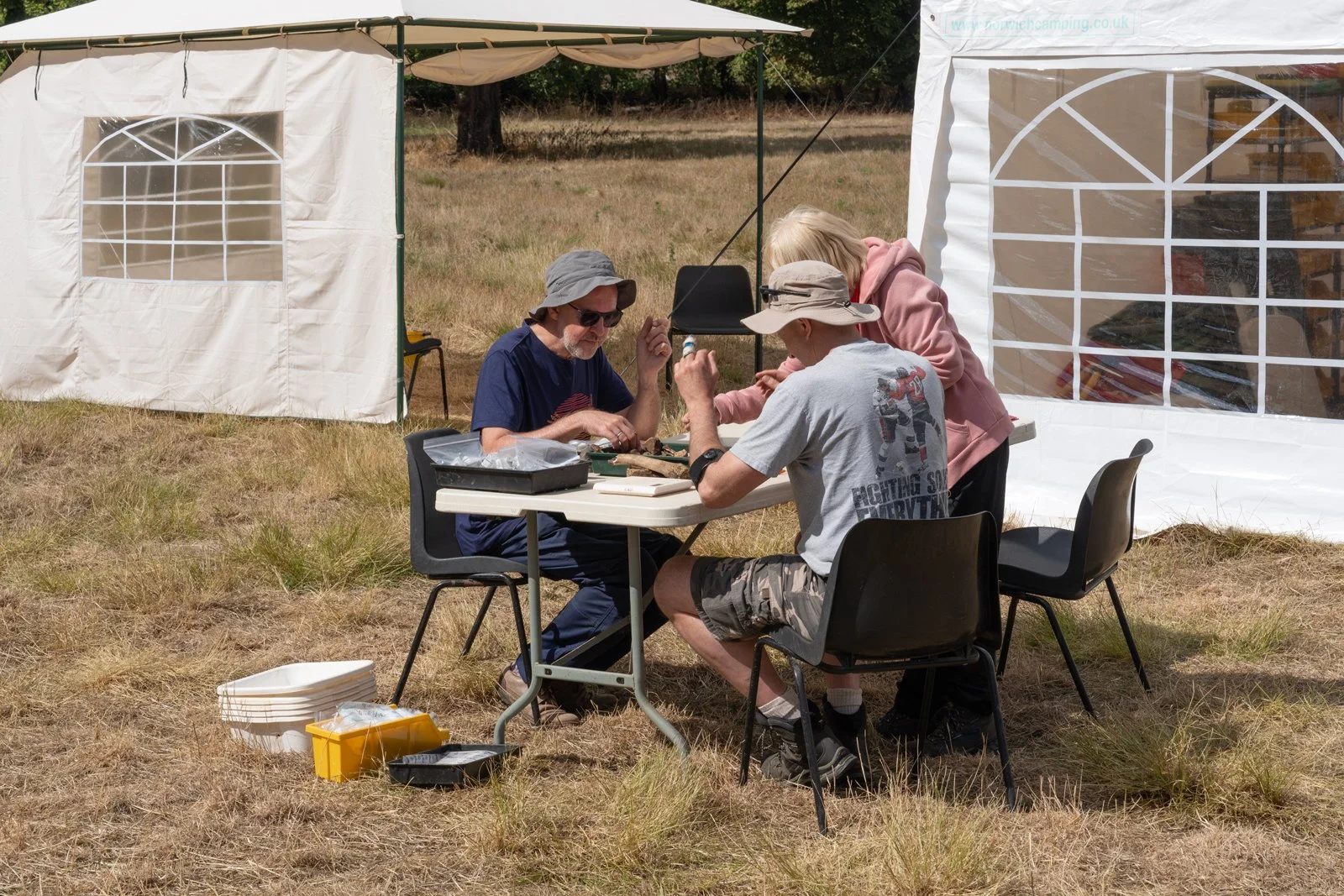
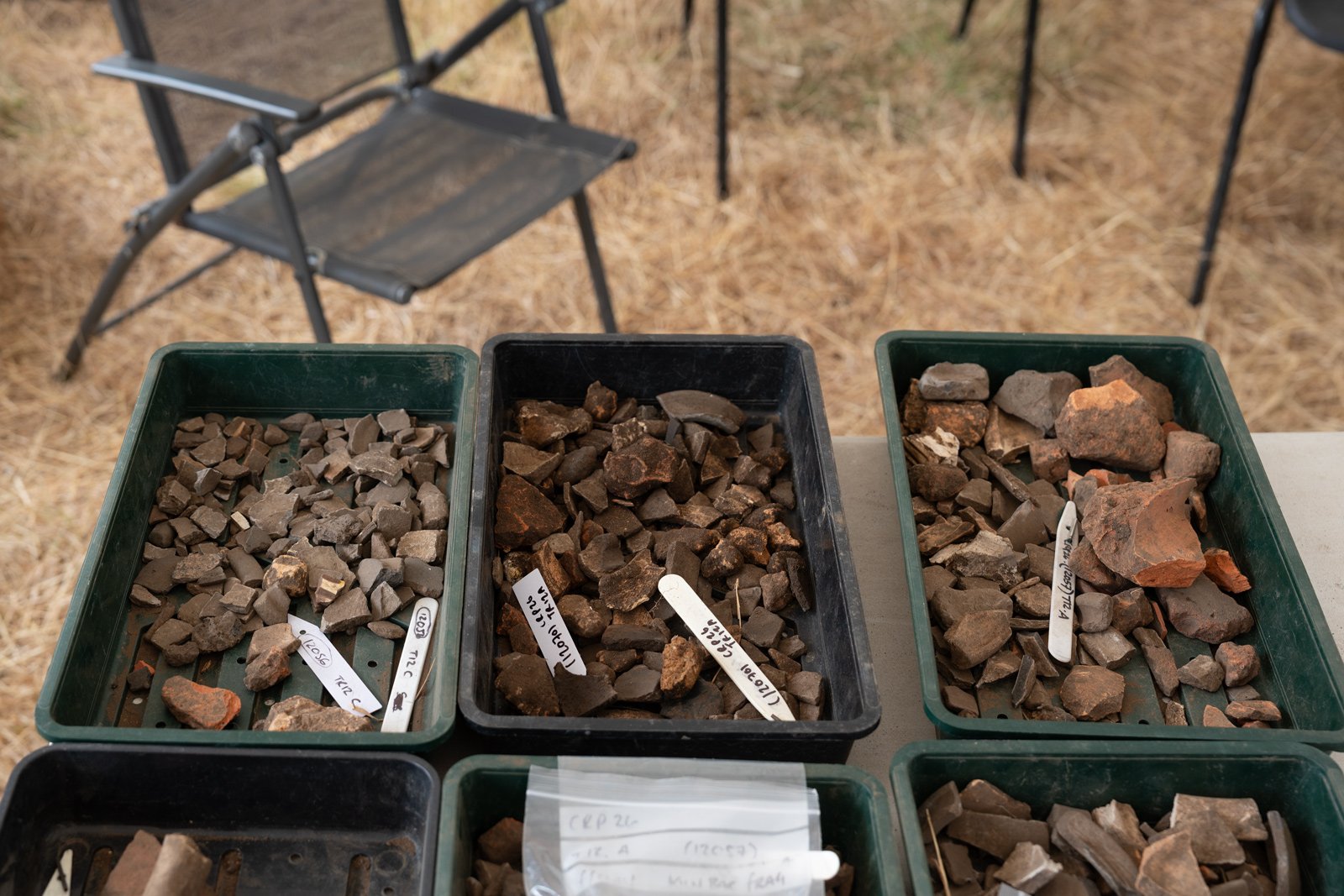
Each day's work goes into labelled trays, every find carefully catalogued and recorded in readiness for further analysis. Among the finds this season: a fragment of mortarium — a large locally-made mixing bowl dated to between 50 and 120 AD, its white flint grits pointing to production right here in the industrial area. Fragments of samian ware: the glossy, burnished Roman pottery decorated with scenes of dancing figures and grapes, some pieces bearing the maker's stamp of the potter who fired them.
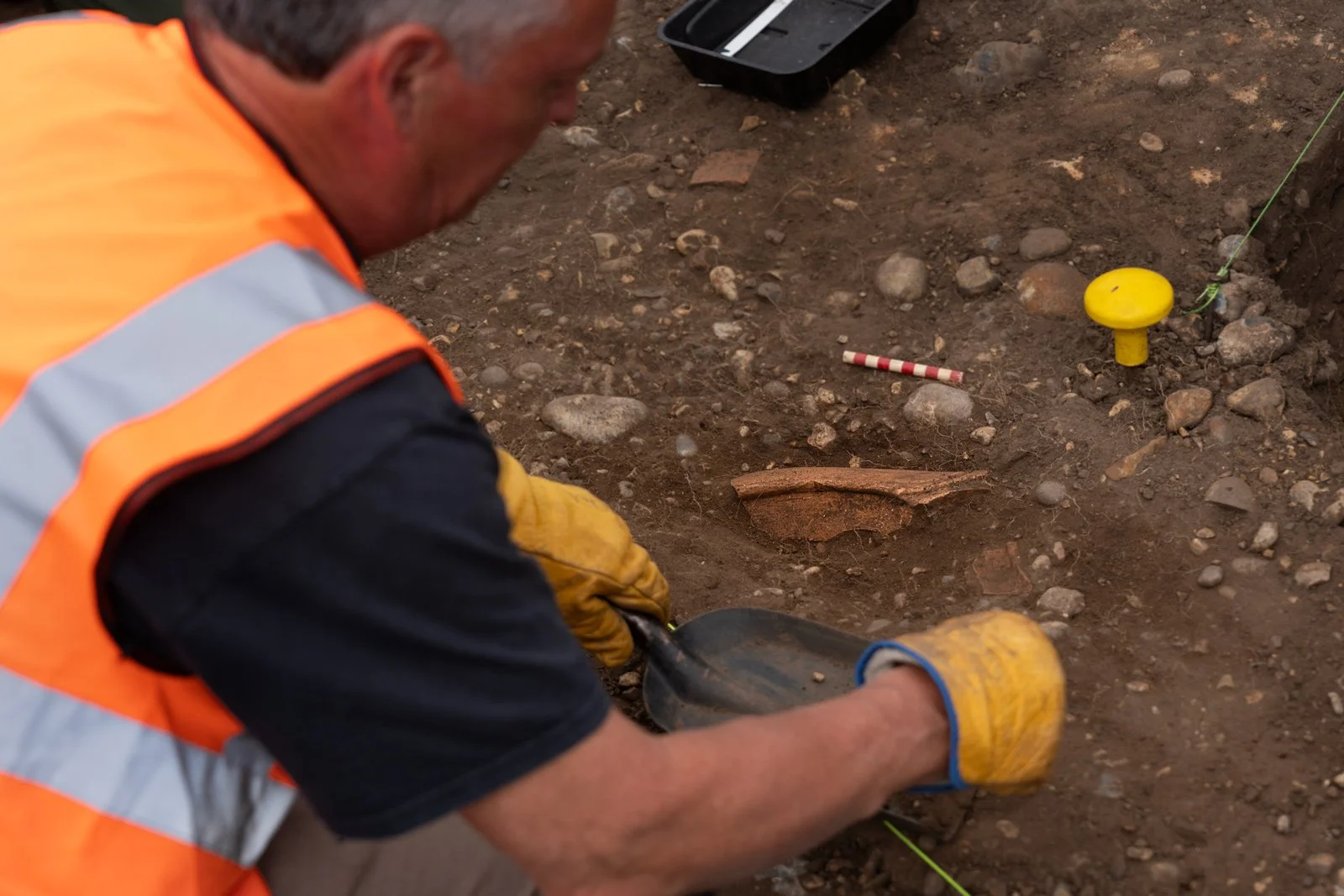
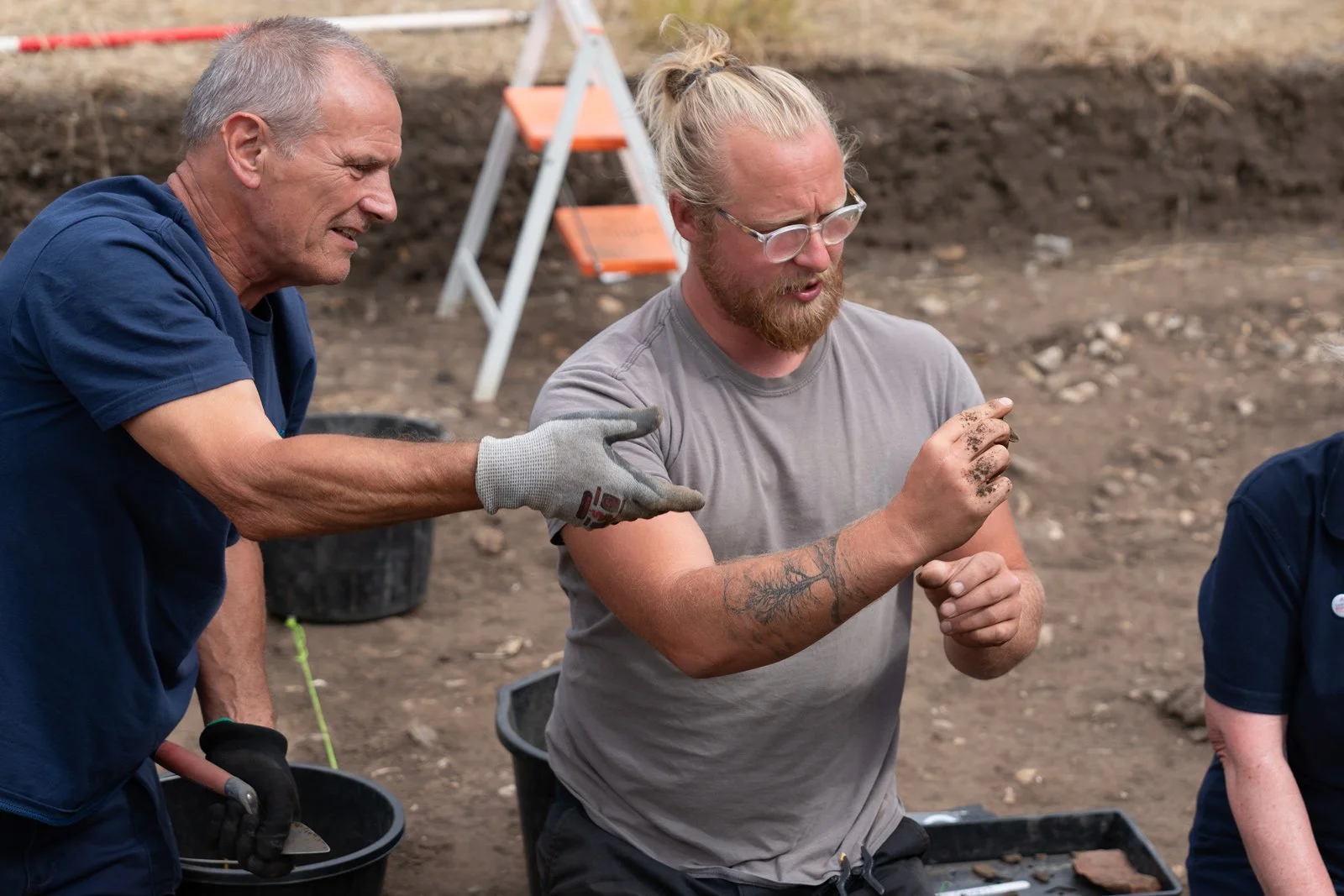
Debris from a nearby pottery kiln, including fragments of the domed clay structure itself — still bearing the impression of the wooden poles it was pressed against. Animal bone, chopped and discarded after the meat and marrow were taken. And prehistoric pottery bearing the fingerprint impressions of someone who worked the clay around three thousand years ago — a different period of history entirely, surfacing unexpectedly from the soil.
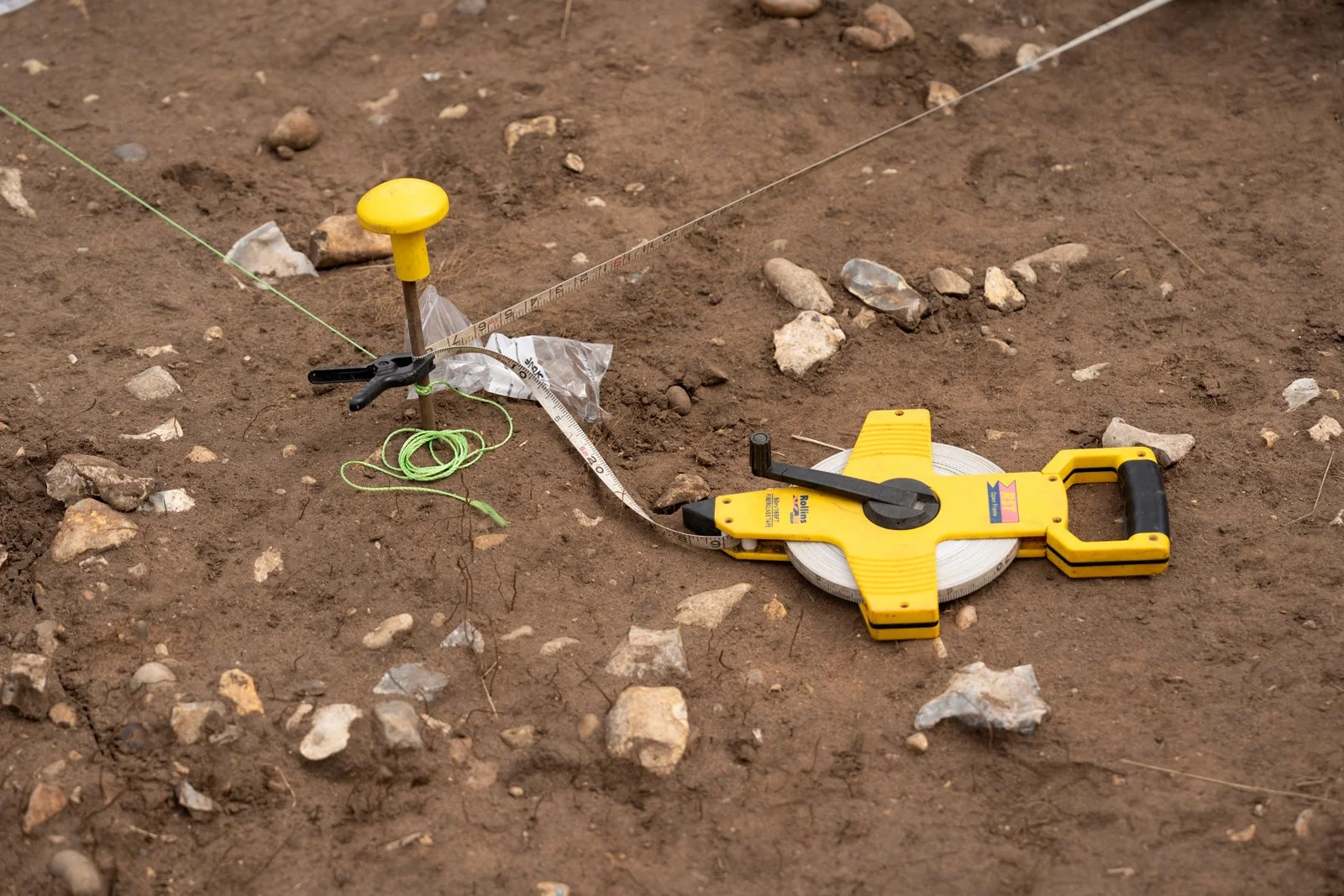
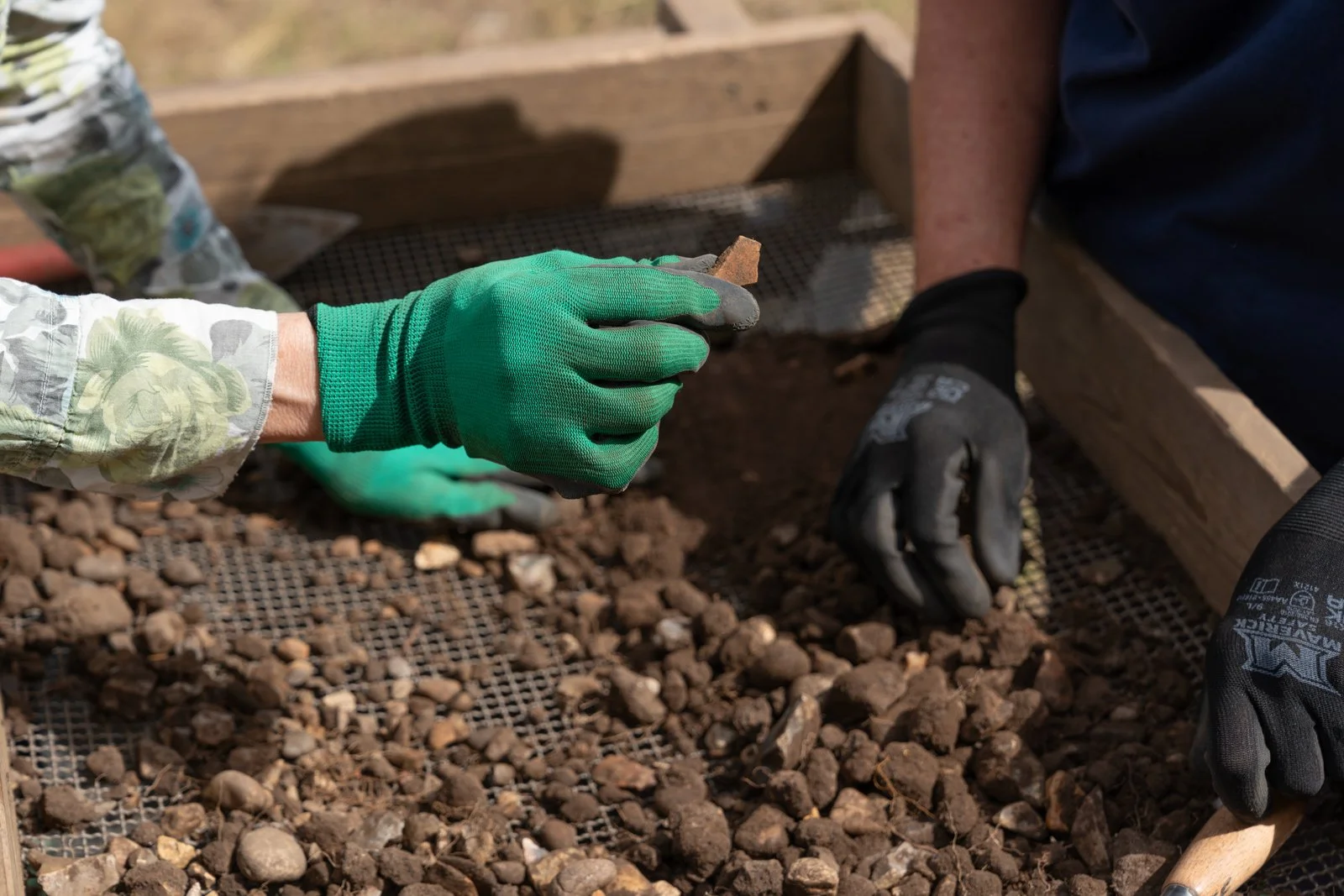
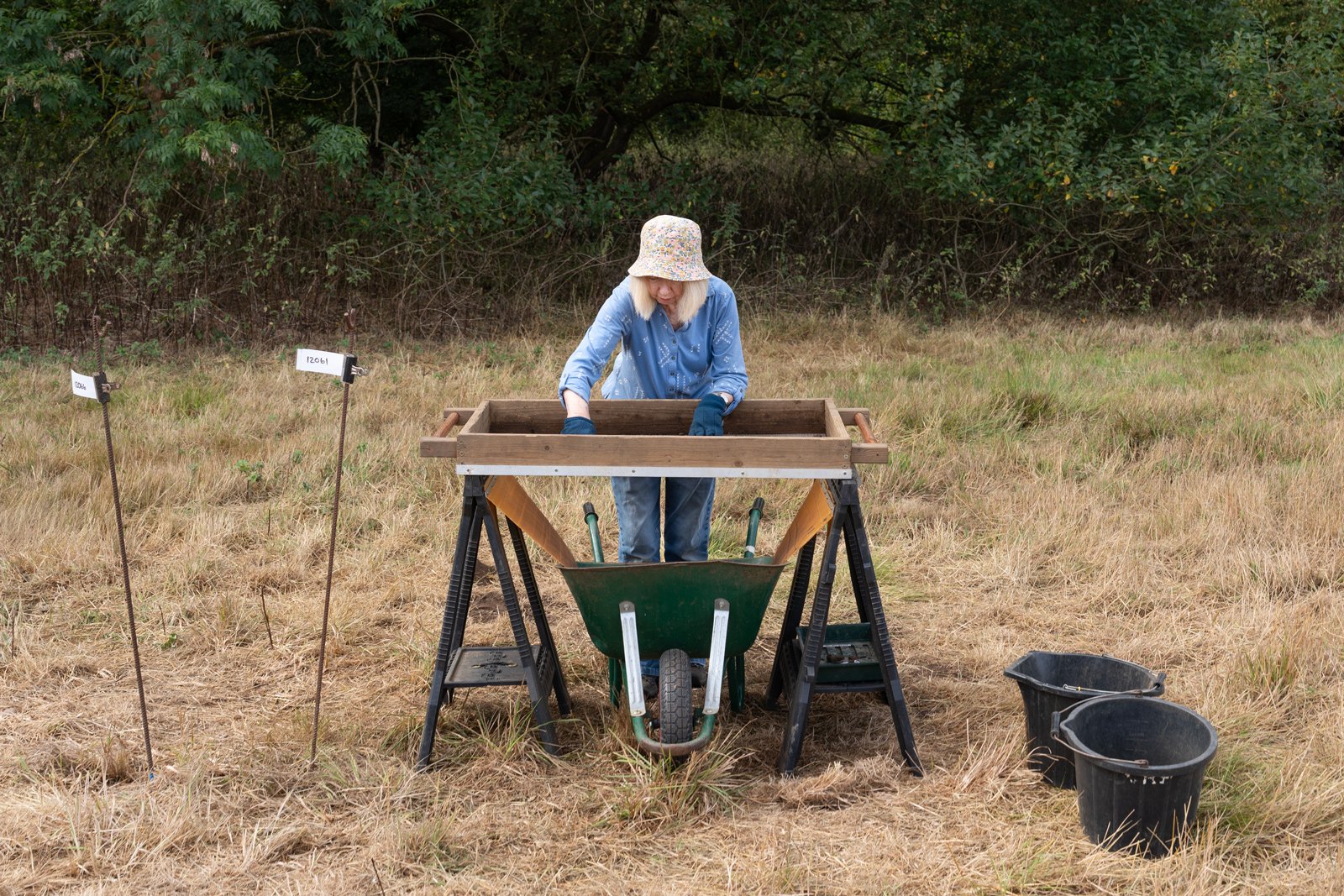
The team also takes systematic soil samples from significant features, processed through wet sieving to recover what the eye cannot see: seeds, pollen, fragments of nuts and berries, burnt materials, and metalworking waste like hammer scale just millimetres across. Environmental archaeology of this kind can reveal not just what people were doing, but what season they were doing it in.
How it works
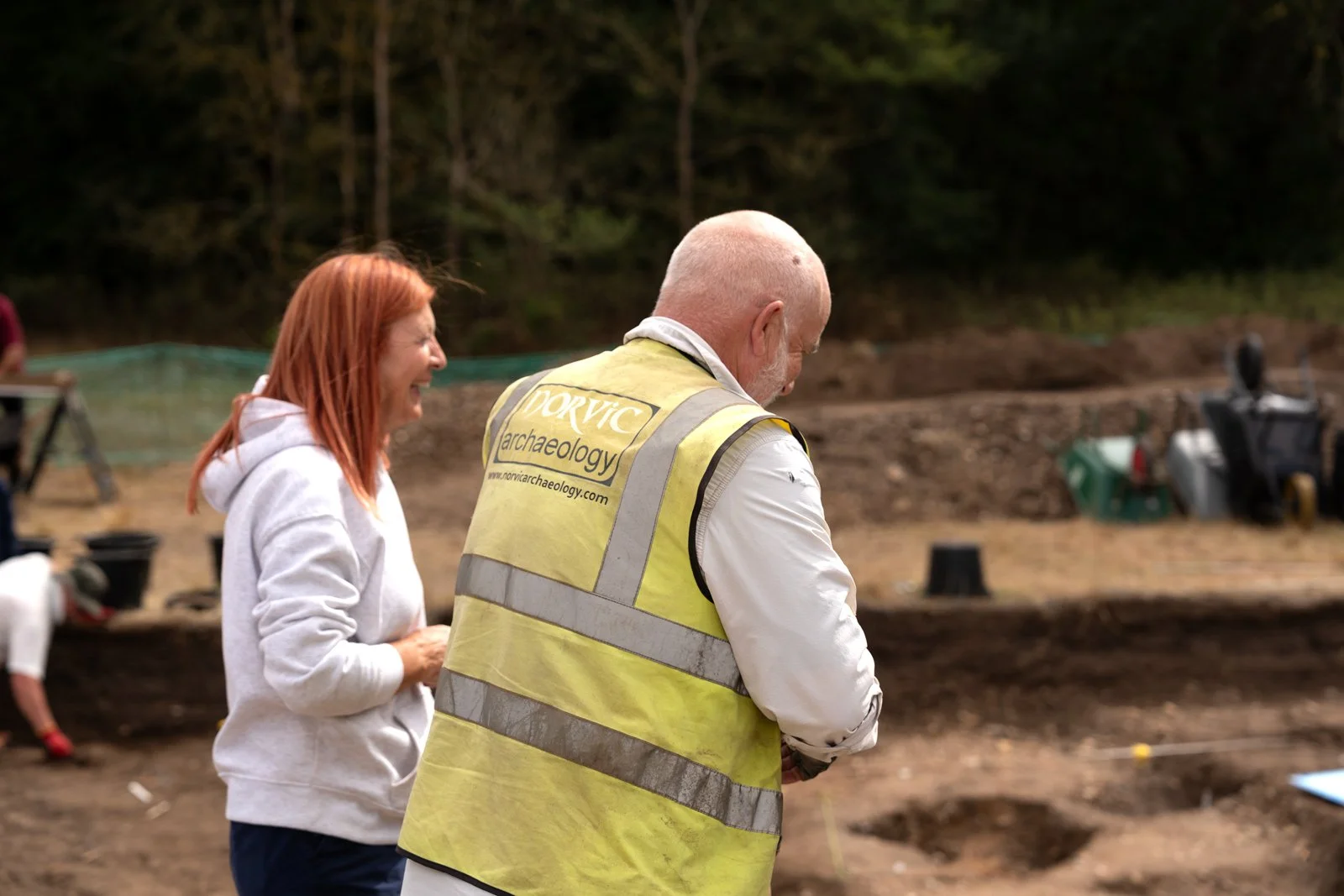
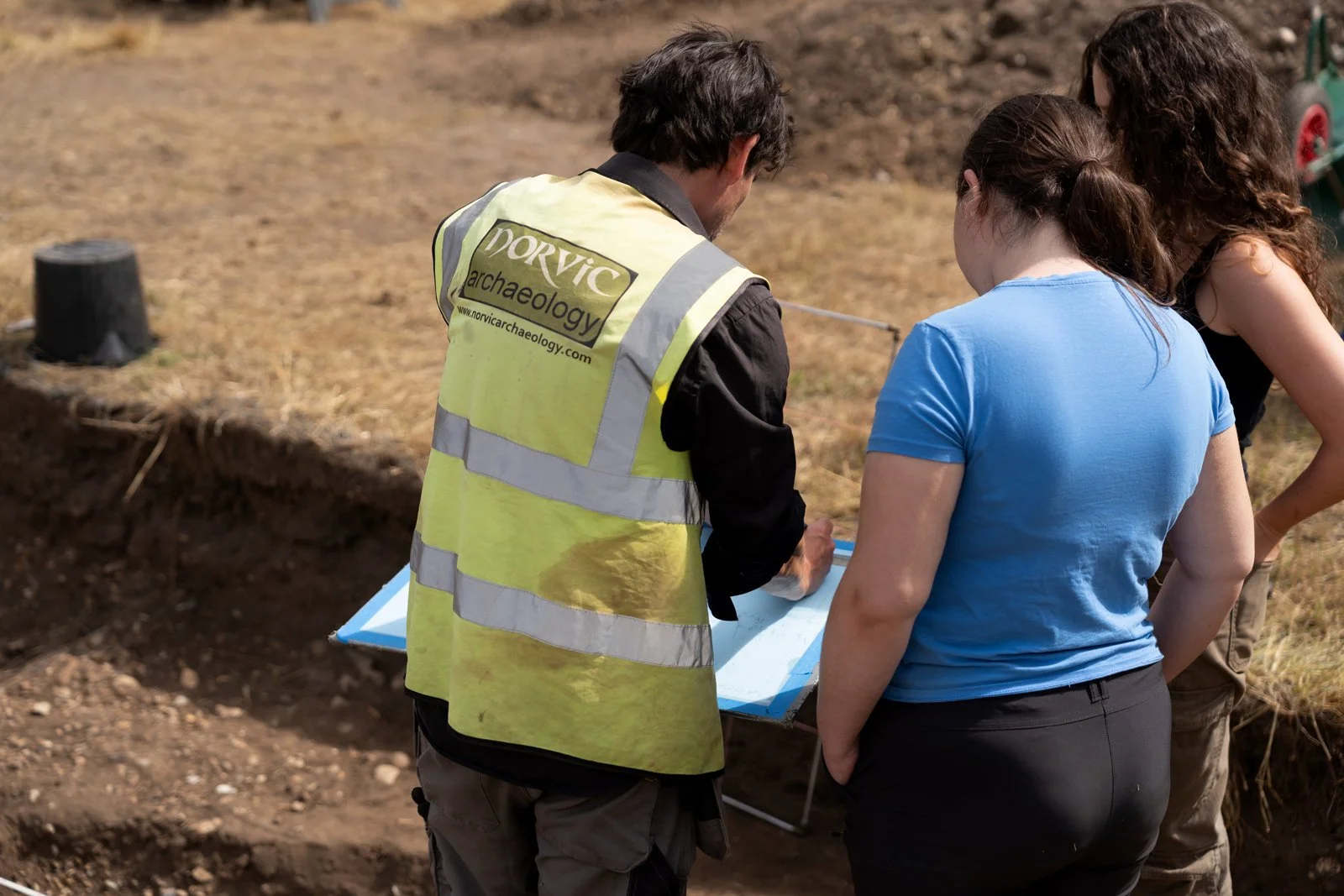
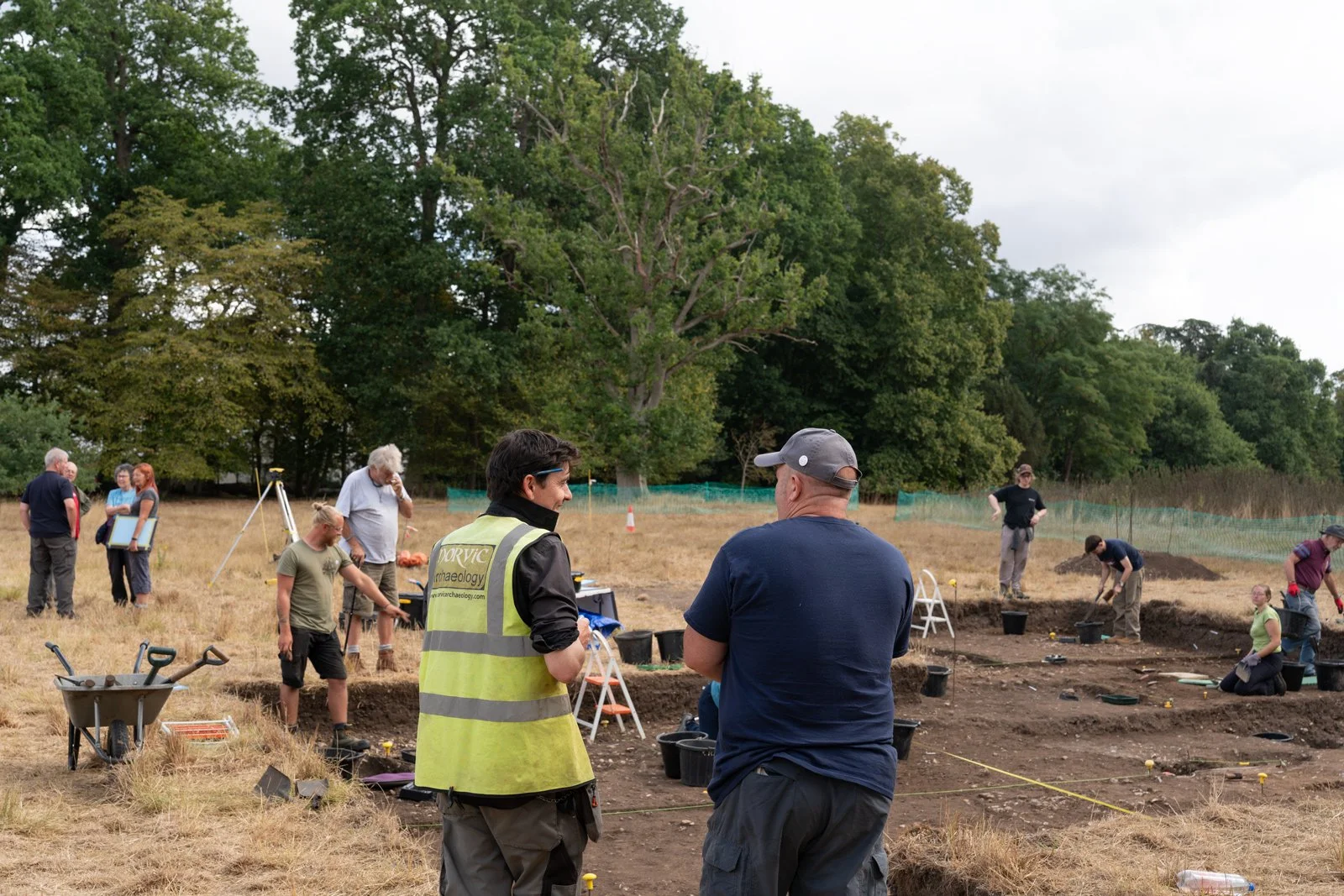
The excavation is run by volunteers and overseen by Giles of Norvic Archaeology, the project's professional archaeologist, who ensures the dig meets the highest standards at every stage. The project runs regular workshop days during the season, bringing in specialist guests to help volunteers develop their skills — from identifying animal bone to understanding the pottery they unearth. Alongside its core volunteer community, the project also offers day experiences for anyone who wants to come and try their hand at excavation, learning directly from the team on site. Education runs through everything they do.
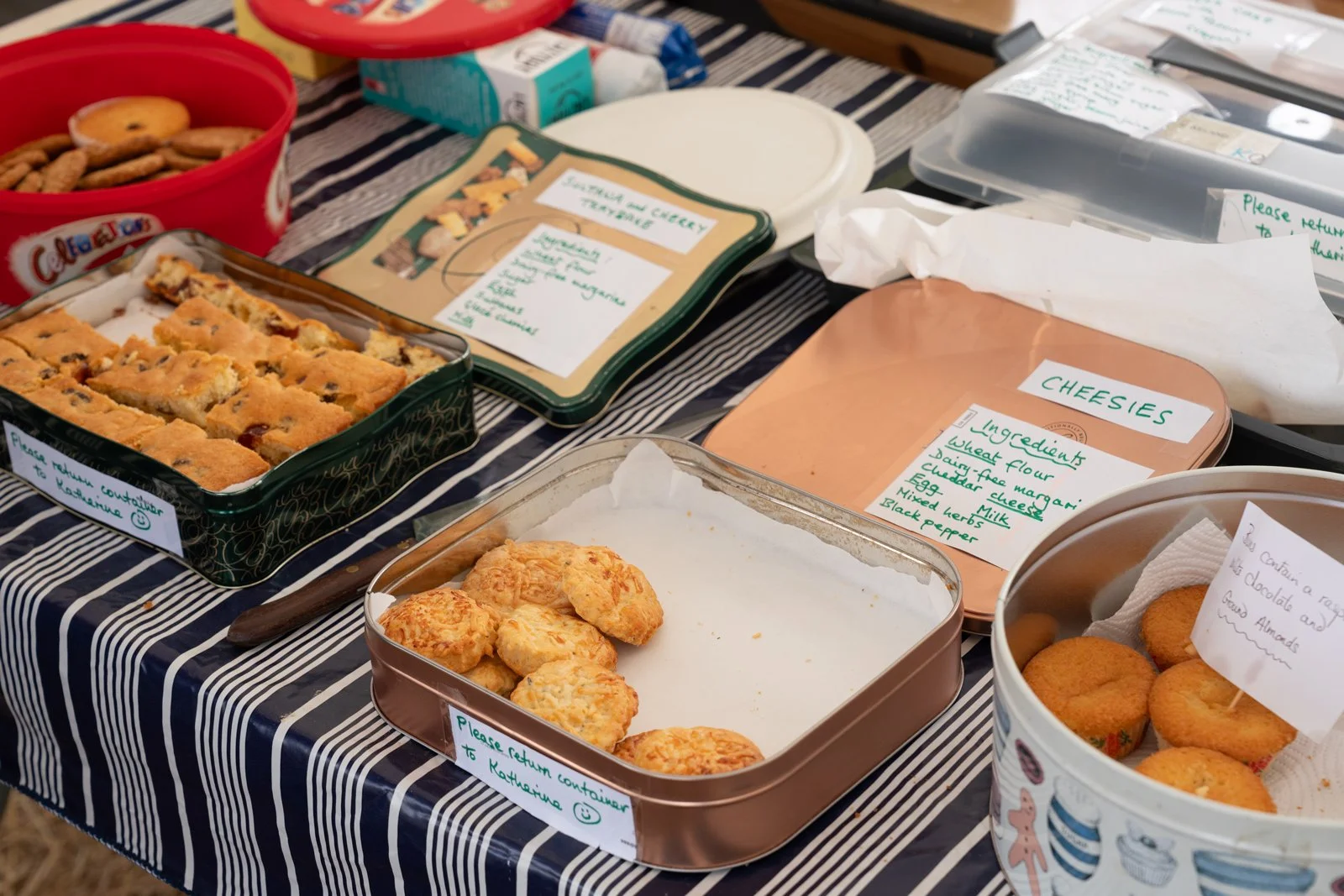
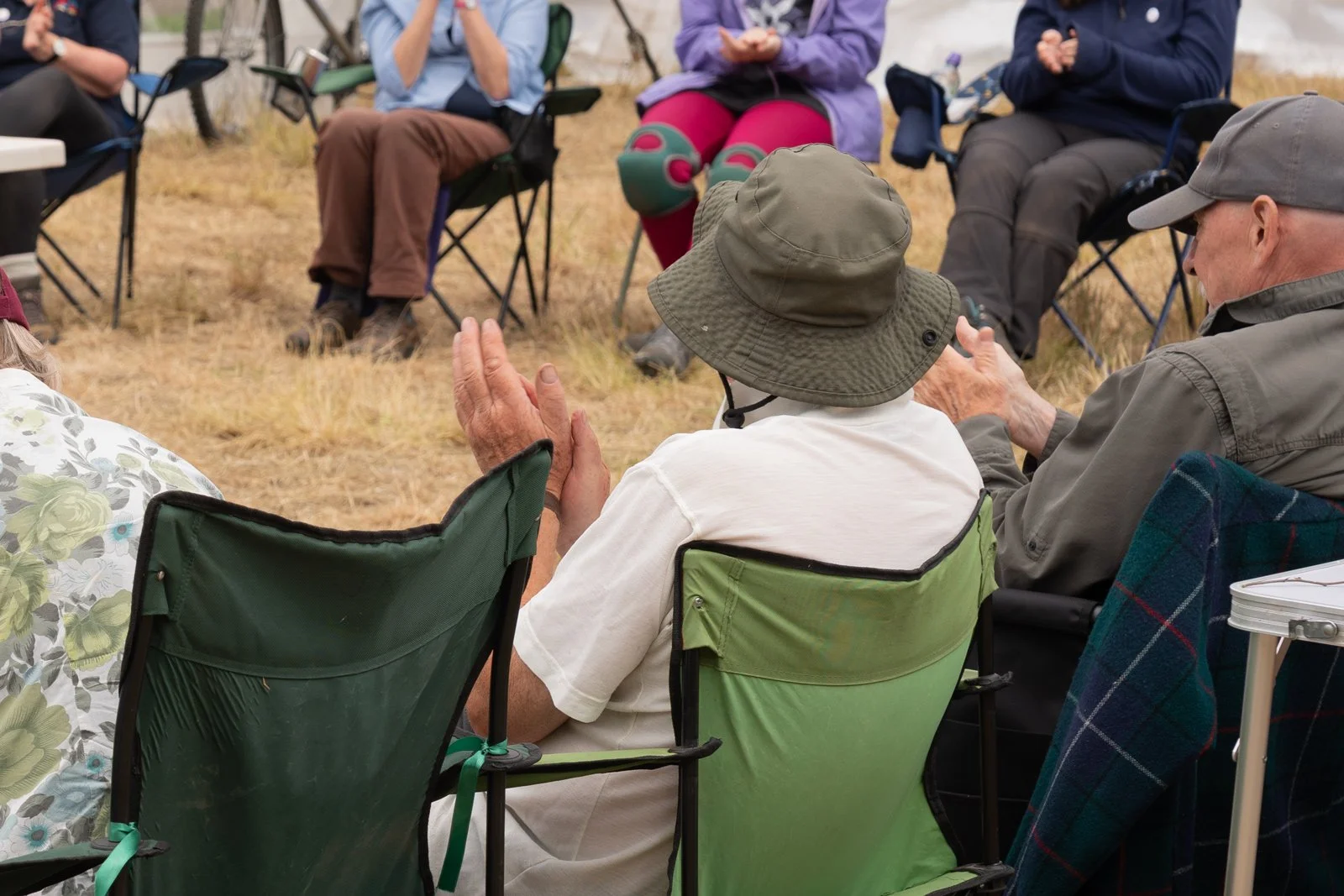
Overnight between the days’ excavations, a security team stays on site to keep it safe for the duration of the dig — a measure of how seriously they take their responsibility to this remarkable place. Katherine, one of the volunteers, also takes her responsibilities seriously: she arrives each day with cake. Tea breaks are communal, and deliberately so.
The part we didn't expect
We came to the dig knowing about its archaeological significance. What we hadn't anticipated was everything else.
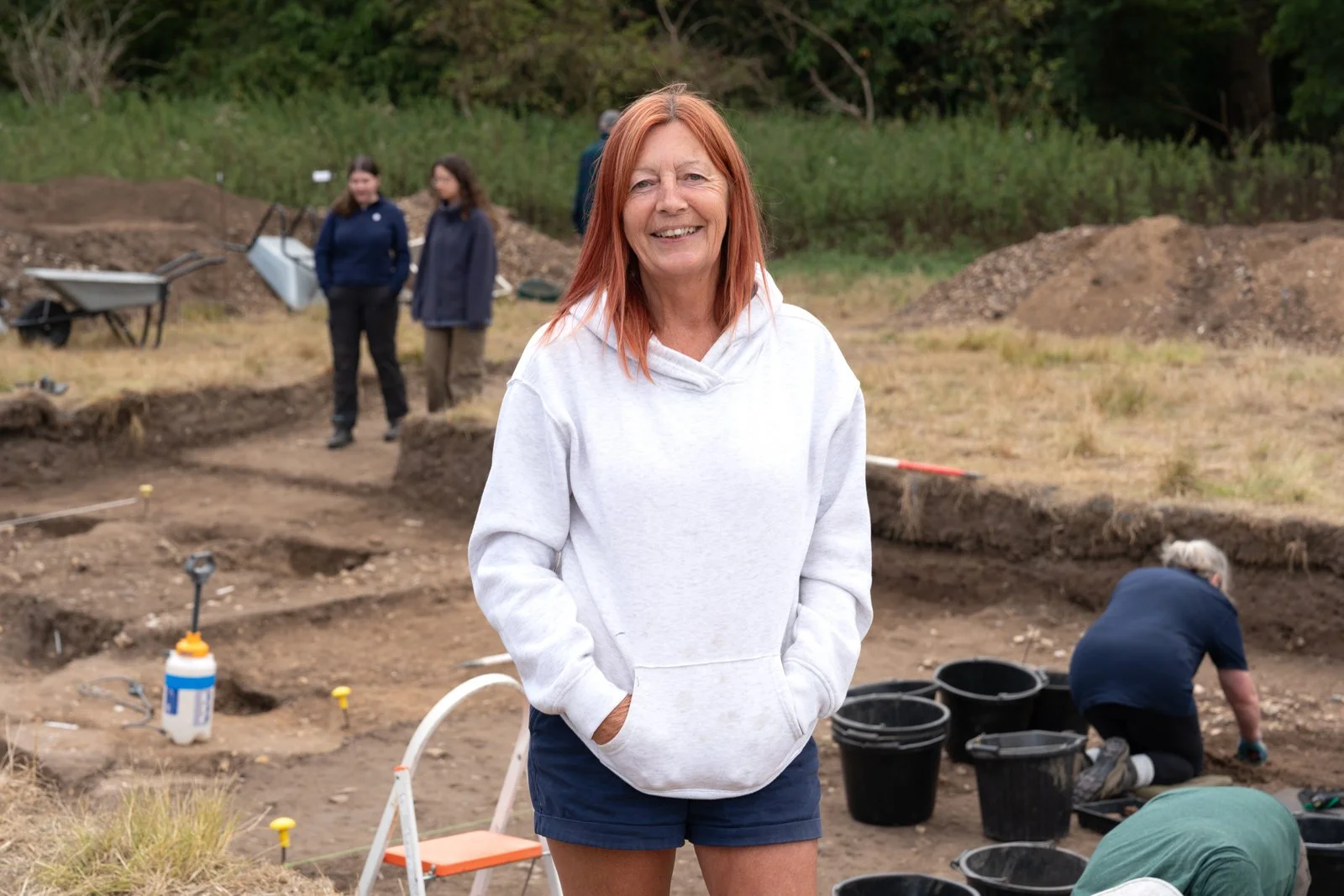
The Caistor Roman Project speaks openly about two outcomes from its work. One is the research itself. The second is what happens to the people who do it. There is something about the pace and focus of archaeology — the forensic attention, the meditative repetition — that, as Mike, one of the project's founding members and a long-serving Trustee, puts it, simply improves people's wellbeing. We could see it.
The project works actively with veterans, and this season had a number on site. The impact on their wellbeing has been profound — something we hadn't expected to find, and something that has stayed with us. You can read more about that here.
Our connection to this work
The artefacts recovered from the estate are now in the custodianship of the Caistor Roman Project, as they are catalogued, analysed, and better understood. In time, we hope to incorporate some of these finds into the spaces at the Hall — so that what has been discovered just beyond the garden becomes part of the story of the place itself.
There are parallels, we think, between what the Caistor Roman Project does and what we are trying to build here: environments that allow people to slow down, pay attention, and come away changed in some quiet way.
Find out more and support their work
The Caistor Roman Project is a registered charity that returns to the site for focused dig seasons each year. You can follow the progress of each season on their Facebook page, where the team post regular updates on the results of their research. If you would like to support their ongoing work — which depends entirely on small grants, membership fees, and donations — you can do so at caistorromanproject.org